
Verbena stricta
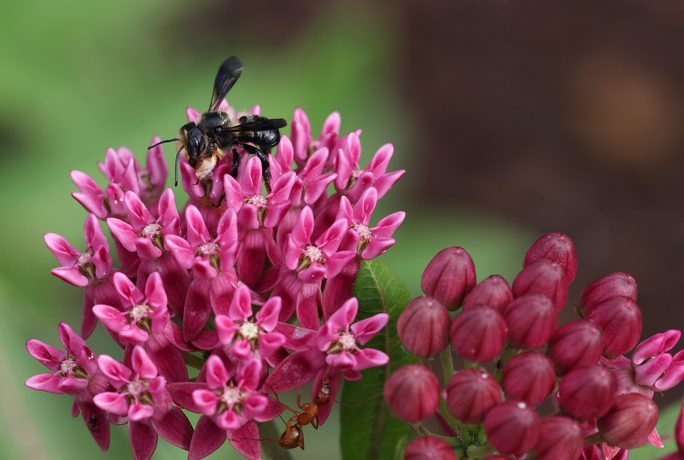
Although sparsely found in North Carolina, Hoary Vervain can be found in prairies, meadows, and open woodlands. In summer, flowers bloom a few at a time, Hoary Vervain’s showy purple flowers bloom starting at the bottom of narrow pencil-like panicles moving up throughout the blooming season. Blooms attract a variety of…
Symphyotrichum novae-angliae
New England Aster is a deciduous, sometimes woody perennial that oftentimes appears as a small shrub. Plant at least 12 inches apart in a sunny location with good drainage. This plant tends to grow rapidly, so make sure to give it room to grow! Leaves are rough, alternate, and hairy with…
Stachys tenuifolia
Smooth Hedge-nettle is a showy, erect perennial in the mint family. Pink and white flowers bloom in a whorled formation during summer, attracting long-tongued bees. With ideal conditions they can get up to three feet tall but are often shorter. They are gorgeous in mass and would fit perfectly in a…
Solidago bicolor
While other goldenrod species bloom yellow, White Goldenrod is the only one native to the east coast that blooms white. Yellow and white ray flowers bloom late summer to fall on spikes, and it looks beautiful planted alongside asters. It is naturally found in dry upland forests, rocky woodlands, and roadsides.…
Scutellaria incana
In shady dry forests and open woodlands, bluish purple tubular flowers are a sight to the eyes while adding incredible wildlife value. Hoary Skullcap is a summer blooming perennial, and its blooms are considered more showy than other plants in the genus. The leaves are arranged opposite on erect stems. Both…
Schizachyrium scoparium
Little Bluestem is a clumping warm season grass in the Poaceae family. In full sun, this plant can get up to four feet tall and slightly less wide. Blue-green linear leaves turn golden to orange in fall and persist in winter, adding winter interest to the garden. Like many of our…
Pycnanthemum muticum
Short-Toothed Mountain Mint is a clumping herbaceous perennial with fragrant foliage and flowers. Although it is not picky with soil, it prefers neutral to slightly acidic pH, of which is common in North Carolina. Happiest in moist soil, it can withstand brief periods of dry soil once established, but watering is…
Pycnanthemum flexuosum
Appalachian Mountain Mint is a spreading perennial with high pollinator value. Preferring rich loamy soil, it does well when soil is moist with good drainage and will spread readily when enough moisture and sunlight is provided. Like other members of the mint family, stems are square shaped and aromatic. The leaves…
Phlox stolonifera
Creeping Phlox creeps along landscapes with above-ground stems that can root on the nodes. Its spreading habit makes for a great groundcover that can prevent erosion on slopes. Fertile stems contain fragrant star shaped flowers that are tubular and come in a variety of colors including blue, pink, purple, or white.…
Hydrangea arborescens
Smooth Hydrangea is the most common hydrangea found in North Carolina. This shrub has a suckering, spreading form with an open crown. Leaves are egg-shaped and have smooth undersides, giving this plant its common name. The flowers are in dome shaped corymbs, with tiny fertile flowers throughout and open infertile flowers…
Heliopsis helianthoides
Resembling the common sunflower, this showy wildflower has smaller flowers with more abundant blooms. Oxeye Sunflower shows off its bright yellow daisy-like flowers between May and October, providing visual interest over a long bloom period and are great as cut flowers. With its easygoing nature, it makes a great addition to…
Helianthus angustifolius
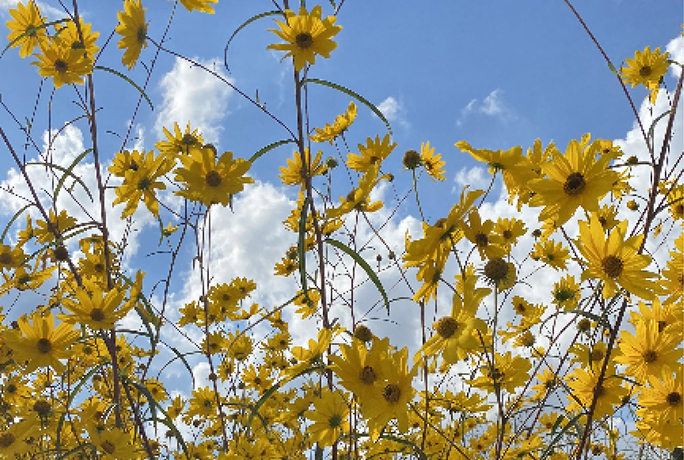
Swamp Sunflower makes an impression with its brilliant yellow disc flowers. These bright flowers make an appearance in summer and display until the first frost. As flowers are pollinated, they give way to seeds that are a source of food for songbirds through late fall. Since Swamp Sunflower can grow to…
Helenium autumnale
Common Sneezeweed is a showy upright perennial in the sunflower family. Bright yellow disc flowers have 3-toothed petals that droop away from round yellow centers in late summer and early fall. They are a fantastic pollinator plant and are frequently visited by native bees. As petals fall away and seeds mature,…
Eutrochium purpureum
If you love butterflies and have space for it, Sweet Joe Pye Weed would be a fantastic addition to your garden! A sun-loving, clumping perennial getting to be up to seven feet tall, it is a sight to behold. Not only is this plant a host for at least ten different…
Eutrochium dubium
Coastal Plain Joe Pye Weed is a late summer to early fall blooming wildflower, with large pale pink flower heads, found throughout sunny meadows along the east coast. This wet-loving perennial is in the aster family, but the blooms form dense clusters rather than large disc flowers. Frequently described as a…
Eupatorium rotundifolium
Roundleaf Thoroughwort is known for its umbels filled with clusters of white flowers, frequently visited by flying insects including wasps, butterflies, and bees. Wasps are helpful in the garden in keeping pest insects at bay. This upright perennial grows in bogs, savannahs, and wooded areas. Although it can occur in wetlands,…
Cirsium discolor
Field Thistle has incredible value to wildlife as a food source. Native bees, beetles, butterflies, moths, and hummingbirds flock to the blooms of this plant for its sweet nectar. Songbirds eat the seeds, while Goldfinches are particularly fond of them. Not to be confused with aggressive non-native bull thistle, which blooms…
Chelone obliqua
Although rare in North Carolina, Pink Turtlehead can be found in moist woods, swampy areas, floodplains, alluvial forests, and stream margins. Pink to red flowers mimicking the heads of open-mouthed turtles make a display in late summer to fall. If you look closely, each flower has a pale-yellow beard in the…
Carex woodii
Wood’s Sedge is a clumping woodland plant with thin, grasslike leaves. Foliage is semi-evergreen and is cover for small animals while seeds are enjoyed by songbirds and gamebirds alike. Growing at just under a foot, it would do beautifully in small spaces within the garden. If your garden is mostly full,…
Baptisia bracteata
Cream flowers form clusters or bracts on long panicles over compound elliptical leaves. Cream Wild Indigo is a compact, mounding legume with incredible wildlife value. Flowers in the Baptisia genus are unique in shape and while accessing nectar may be arduous to some insects, our native bumblebees gladly rise to the…
Carex cherokeensis
Cherokee Sedge shines brightest in spring, with dazzling bright green foliage that is semi-evergreen to evergreen in mild winters, where it provides cover for small animals. This compact, grasslike plant is perfect for small empty spaces in the garden, adding wispy texture that glimmers in the wind. Although it prefers part…
Carex platyphylla
A small, grasslike plant found in shady spots under trees, Broadleaf Sedge sets itself apart from other sedges with its wide leaves. Just under a foot tall, this moderately deer resistant perennial can be used as a groundcover or a border in a woodland garden given it is not walked on,…
Oligoneuron album
When looking at White Goldenrod, one may be tempted to say it’s an Aster or Daisy, and this has also been up for debate for some time. However, the consensus now is that they are goldenrods. Although the blooms resemble asters, the foliage resembles that of other goldenrods, and the plant…
Delphinium exaltatum
Tall Larkspur is a quick-growing, late summer blooming perennial that grows in the North Carolina mountains and along the edges of woods. This plant can get up to six feet tall and has an arching habit. As it gets taller, it is a good idea to stalk the plant to prevent…
Veronicastrum virginicum
Veronicastrum virginicum, also referred to as Culver’s root, is an herbaceous perennial in the Plantaginaceae family. Its native habitat is woods, marshes, along stream banks and prairies, but makes a beautiful statement planted along woodland edges, in rain gardens, meadows, and cottage gardens. It prefers full sun to part shade…
Rhynchospora colorata
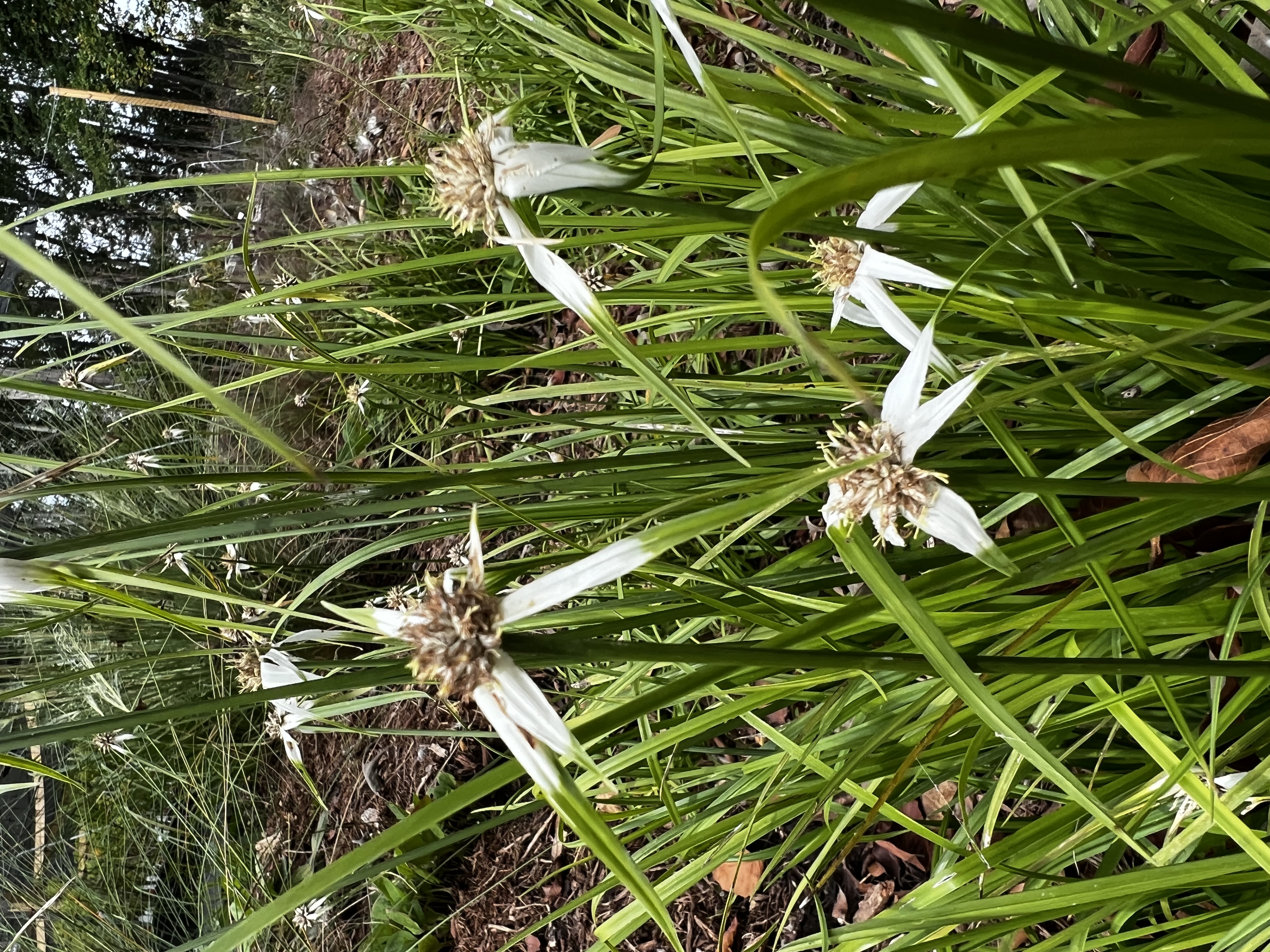
Narrowleaf Whitetop Sedge is an evergreen, grass-like perennial native to North America. It is typically found in coastal areas, dunes, swales, and ditches. It tolerates a variety of soil types, although it does prefer for conditions to be particularly moist to wet. It can grow in full sun to part…
Salvia azurea
Blue Sage is a clump-forming, perennial wildflower in the Lamiaceae family, typically found in prairies, roadsides, and other open areas. It has wandlike stalks and leaves that have prominent veins on the underside. The flowers are lipped and tubular and show off with a beautiful shade of blue from July…
Carex lurida
Lurid Sedge is an evergreen perennial in the Cyperaceae family. Although evergreen, it does appear duller in the hotter months of summer. This sedge prefers full sun to part shade and likes soil that is moist to wet. Being that it prefers wetter soils, that makes it a great addition…
Carex grayi
Gray’s Sedge is an ornamental sedge in the Cyperaceae family. It is characterized by its spiked club shaped seedheads, which start green earlier in the season and slowly turn brown. Gray’s Sedge likes full sun to part shade and can handle wetter soils, making it fit right into a rain…
Carex bicknellii
Prairie Sedge is an early spring blooming perennial in the Cyperaceae family. It can handle a variety of moisture conditions, but it can handle dry soil better than most other sedges. This sedge prefers full sun to part shade and is a cool season grower. It makes a great candidate…
Baptisia tinctoria
In the Fabaceae family, Yellow Wild Indigo is an upright, shrubby, herbaceous perennial. It is low maintenance and works well in native cottage gardens, butterfly gardens, meadows, and drought tolerant gardens. The small, pea shaped flowers are showy and gold/yellow, and bloom from late Spring into Summer. The black, pod-like…
Chasmanthium latifolium
Part of the Poaceae family, River Oats shimmers beautifully in the wind throughout summer and fall. This ornamental grass is deciduous and blooms from June through October, showing spiked panicles that start off green, fading to tan, then finally to purplish copper. Not only do birds and small mammals love…
Achillea millefolium
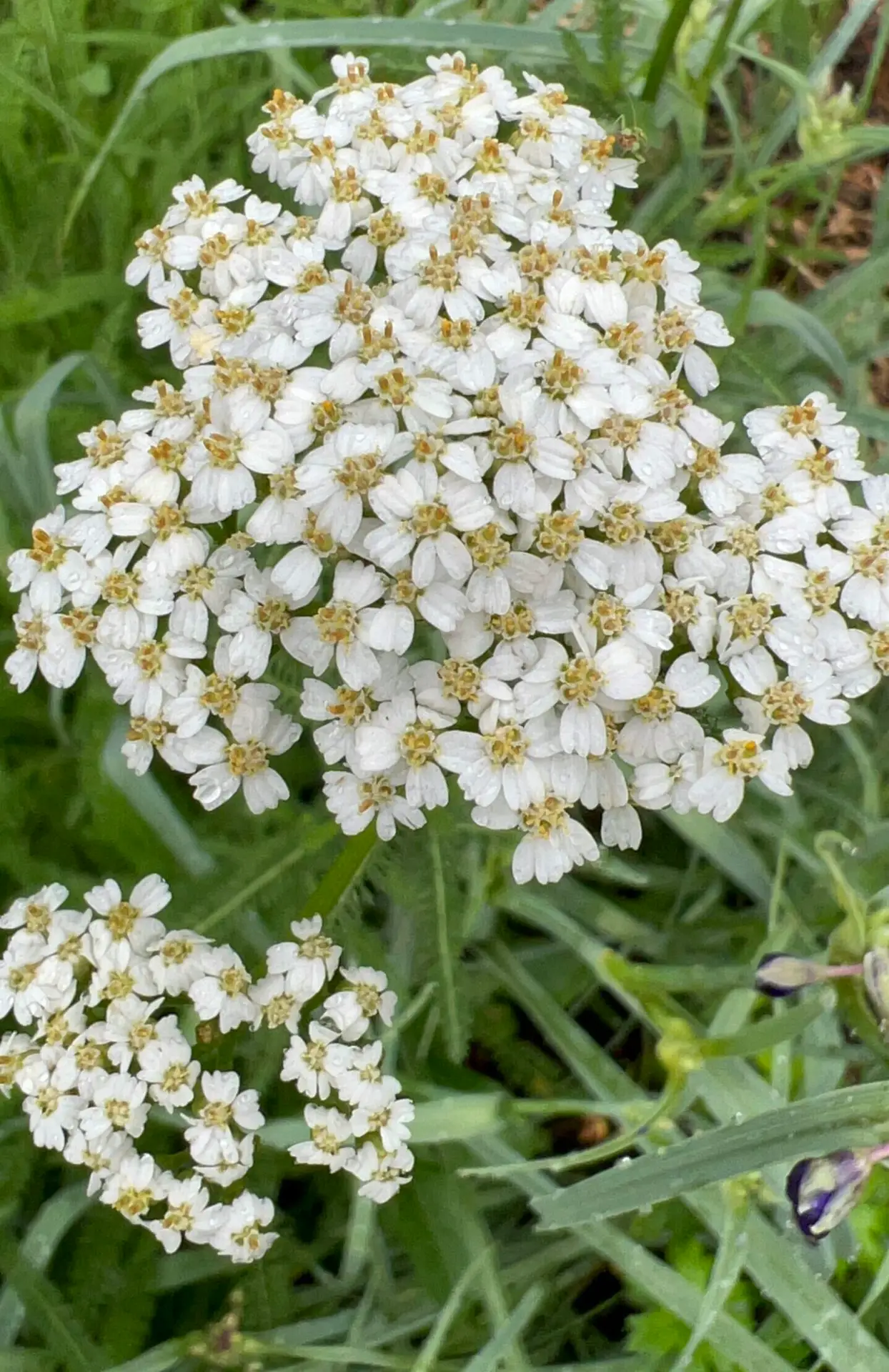
Yarrow is a deciduous perennial in the Asteraceae family. Enjoying full sun and a variety of moisture conditions, it is often found in meadows, prairies, and roadsides. Deer tend to avoid this plant due to its low toxicity, so keep that in mind when planting if you have pets. Yarrow…
Asplenium platyneuron
Ebony Spleenwort is an evergreen perennial fern in the Aspleniaceae family. A small fern, the alternate serrate fronds only come at about 8 inches to one foot and 8 inches tall. If you have a particularly dry and shady area, this is a fantastic plant to consider. Being one of…
Sedum ternatum
Woodland Stonecrop is the only succulent we currently offer at Rachel’s Native Plants, and it’s a special one. In spring to early summer, white flowers hover over fleshy green leaves, attracting many pollinators. Not being picky, it thrives in a variety of light conditions, as long as the soil doesn’t…
Iris versicolor
Blue Flag Iris is a perennial bulb in the Iridaceae family. It has blue-green sword-like leaves surrounding an erect stem topped with a showy blue or purple flower with six petals. This iris thrives in full sun to part shade and likes a higher moisture content in the soil. However,…
Caulophyllum thalictroides
Blue Cohosh is an ephemeral perennial in the Berberidaceae family, usually found in oak filled woods. Yellow green flowers appear before the leaves have developed in spring. Leaves start out blue-green then become more green as they mature. In late summer, bright blue berries appear. Although ornamental and great wildlife…
Rudbeckia subtomentosa
Sweet Coneflower is a herbaceous perennial in the Asteraceae family. This coneflower likes full sun to part shade, and would love to shine in a cottage garden or cut flower garden. Bright yellow petals surround brown disks in summer and fall, then birds enjoy the seeds after the flowers are…
Mimulus ringens
Allegheny Monkeyflower is a wet-loving herbaceous perennial in the Phyrmaceae family. Purple, pink, or blue flowers are shaped like monkey faces, hence the common name. This plant does best in full sun to part shade and prefers moist conditions with rich soil. Allegheny Monkeyflower would do well next to a…
Meehania cordata
Meehan’s Mint is a deciduous perennial vine in the Lamiaceae family. Its creeping habit makes it a great groundcover or green mulch, and it would do well in a shaded pathway. This flower blooms in late spring through early summer with light purple blooms. This species prefers to be in…
Liatris microcephala
Dwarf Blazing Star is a stunning summer blooming perennial in the Asteraceae family. This plant loves full sun and can tolerate dryer, rockier soils. This makes it a great consideration for a dry area or rock garden. Purple showy flowers cluster in an erect fashion on this flower. The bright…
Illicium parviflorum
Yellow Anise Tree is a broadleaf evergreen shrub or small tree in the Schisandraceae family. This woody shrub can get up to 10 or 15 feet tall and has light green leaves that are fragrant when bruised. With its dense mounding habit, this species makes a great privacy screen or…
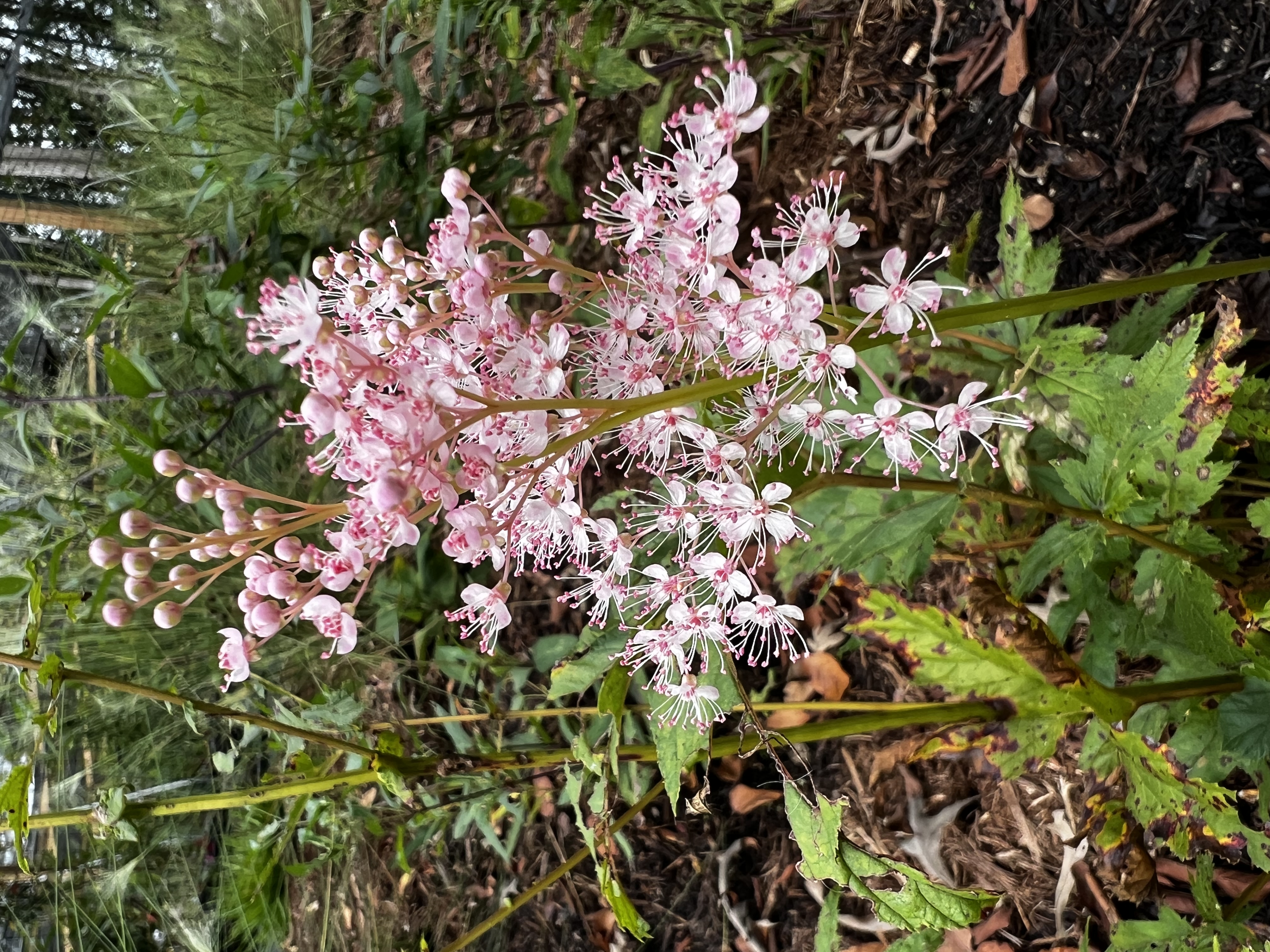
Filipendula rubra
Queen of the Prairie is a large perennial wildflower in the Rosaceae family. Preferring moist soil, it does well in bogs, rain gardens, and moist meadows. It can tolerate full sun, and even prefers it, as long as the soil does not dry out. The leaves are large and make a…
Illicium floridanum
Florida Anise Tree is a broadleaf evergreen shrub in the Schisandraceae family. This shrub or small tree can get to six or ten feet tall and would make a great hedge or border. Preferring part shade to deep shade, it does well in a shade garden, and the leaves can…
Gelsemium rankinii
Swamp Jasmine is an evergreen woody vine in the Loginaceae (Gelseminaceae) family. It is very similar to Carolina Jasmine, but this species prefers wetter soil. It blooms first through spring and again in fall. It does well in full sun to part shade, and makes a great privacy screen. Swamp…
Actaea racemosa
Black Cohosh has showy white stamens, attracting many native bees, from May through August. It is a host plant for many butterflies, including the Spring Azure, Holly Blue, and Appalachian Azure. Given its aesthetic, it would look fantastic in a cottage garden. This perennial prefers part to full shade, and…
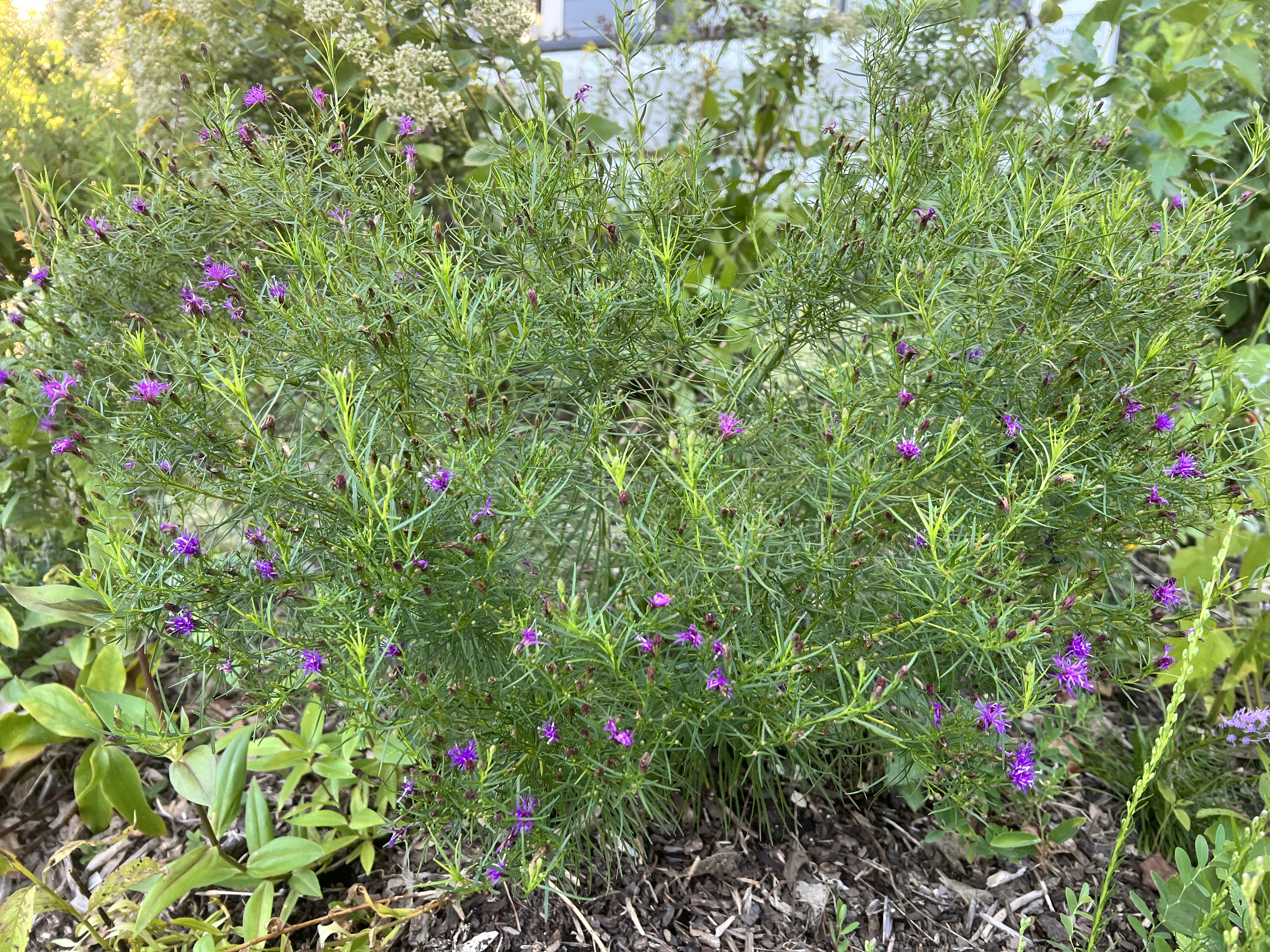
Vernonia lettermannii
Ironweed is a deciduous perennial in the Asteraceae family. In summer, showy purple flowers reach above the needle-like foliage. Preferring moist, well-drained and occasionally dry soil, this plant is drought hardy. Ironweed does well in rocky soil, making it a good choice for a rock garden. If deer are a…
Carex eburnea
Ivory Sedge is a clumping sedge in the Cyperaceae family. Being low growing, it would be a great alternative to a lawn or used as a groundcover. Mounding, it gets at the most ten inches. Handling a variety of light conditions, it prefers to be in shade during hot and…
Caltha paltustris
Marsh Marigold is an herbaceous perennial in the Ranunculaceae family. Found naturally in wetlands, it would do well in a sunny wet location in your garden. Yellow flowers resembling buttercups show April to June. In spring, this plant does well with more sun, but would prefer shade from the hot…
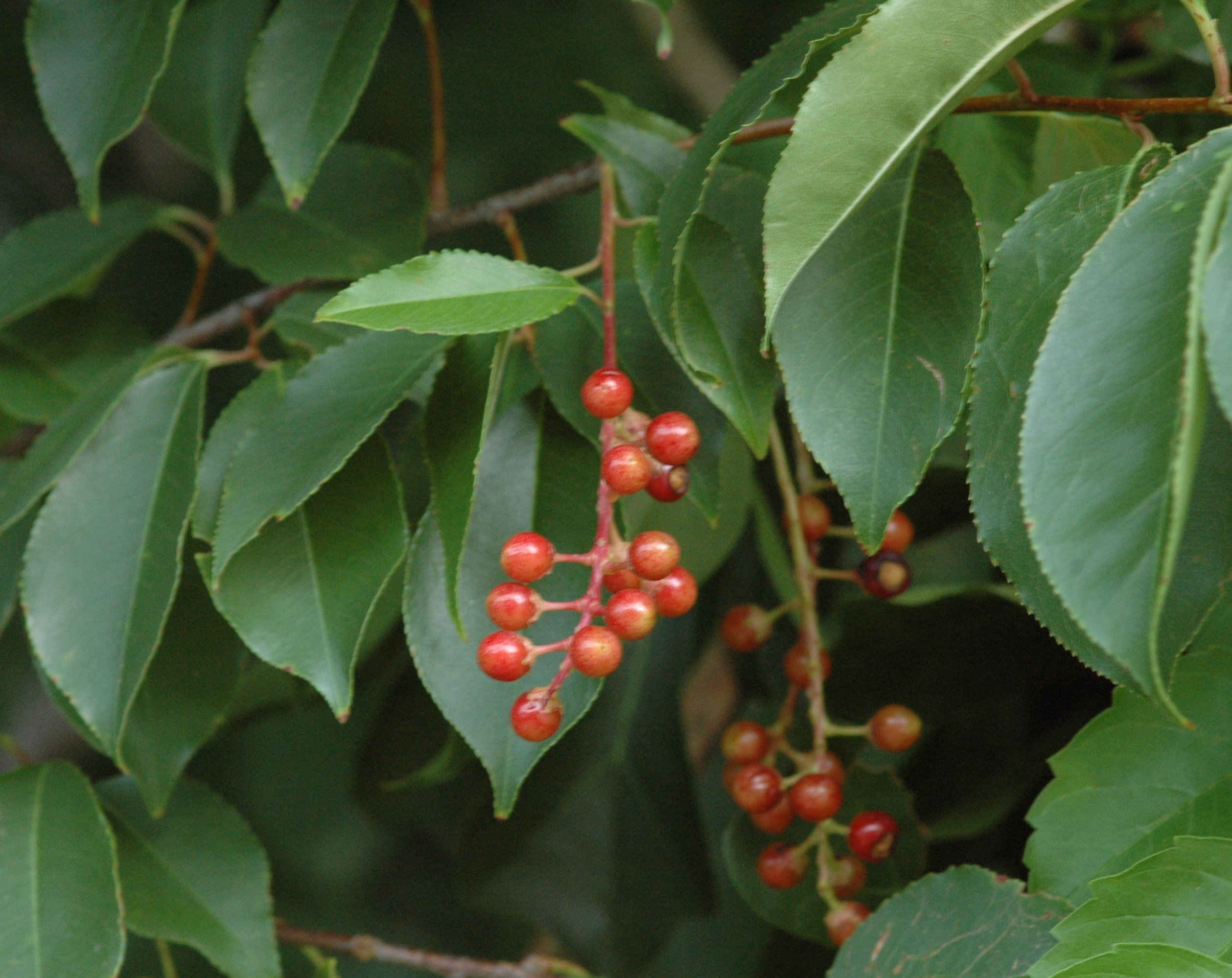
Prunus serotina
The Black cherry is an important southern tree for both wild life and commercially. Young black cherries tend to have a conical crown but when given enough room, the mature trees develop long limbs and arching branches giving it an oval shaped crown. The Black cherry’s fall foliage is a golden…
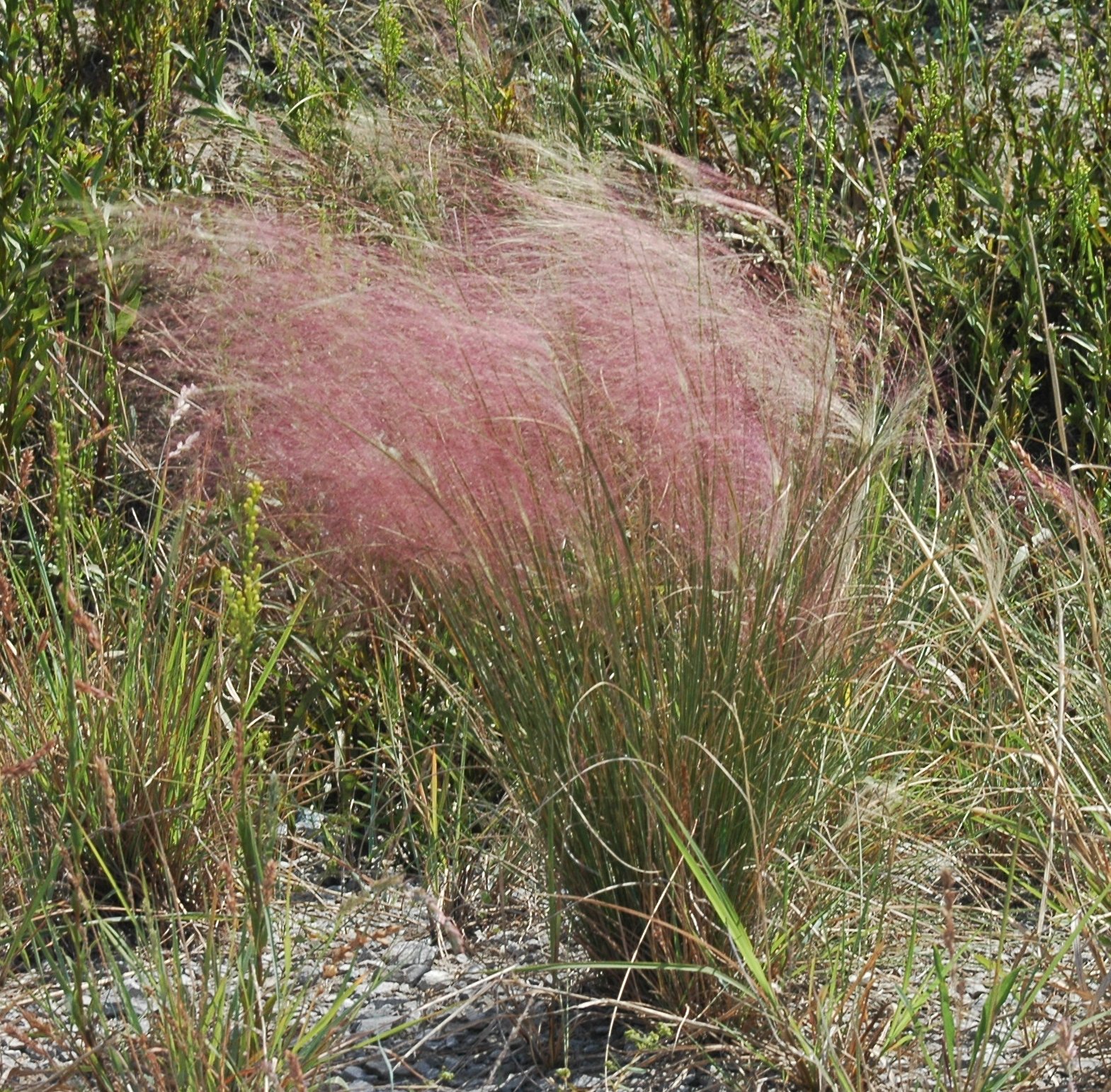
Muhlenbergia capillaris
Pink Muhly grass is a very showy, clump-forming, warm season perennial grass that can get to two or three feet tall and just as wide, and to 4 feet or more when in flower. The stems and leaves are thin, wirelike and upright, protruding from a basal clump, sprouting up almost…
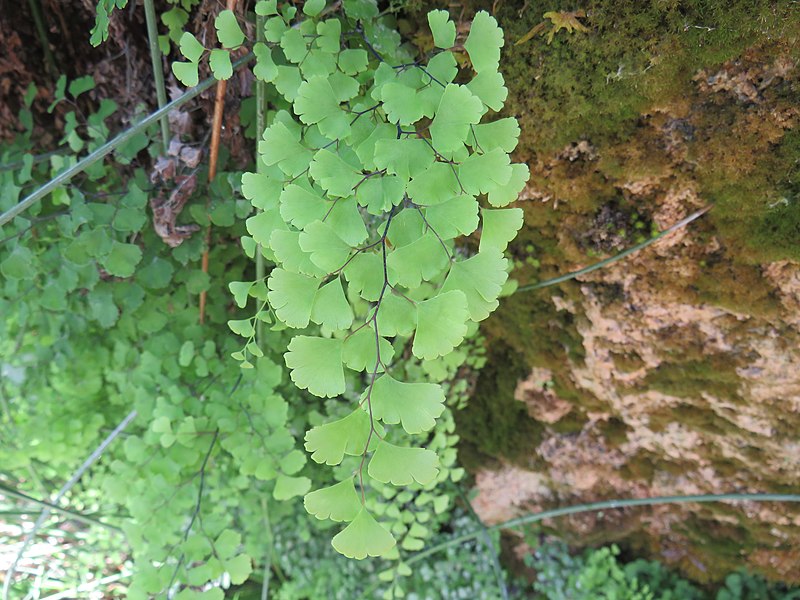
Adiantum capillus veneris
Southern Maidenhair Fern is a clumping, deciduous fern cultivated worldwide for its delicate, frilly looks and hardy nature. It is native to a huge part of the Earth, in temperate and tropical regions from the Southern half of the U.S. to Central America, South America, Europe, large parts of Asia and…
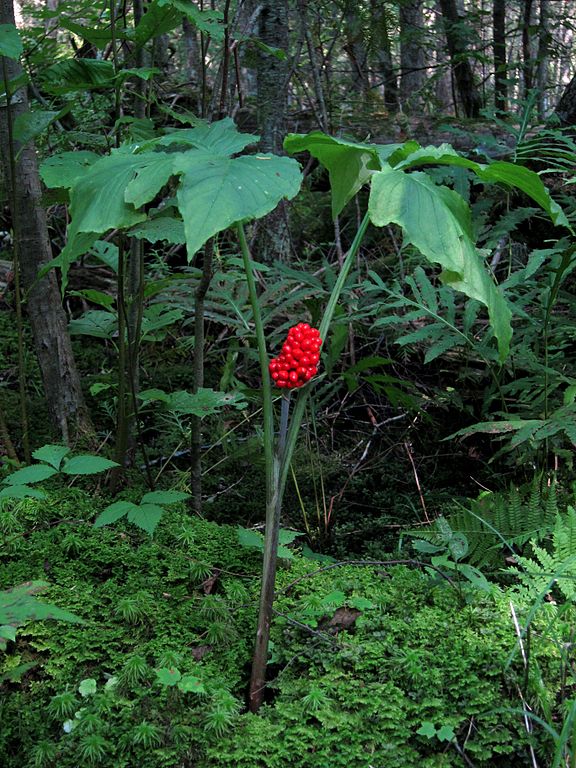
Arisaema triphyllum
Jack in the Pulpit is easily recognizable and is a unique spring ephemeral. The fleshy stalk and leaves lend an almost tropical aura to the plant. This perennial plant is about 1-2′ tall and wide. It loves part to full shade in woodland gardens and moist to wet conditions. Flowering plants…
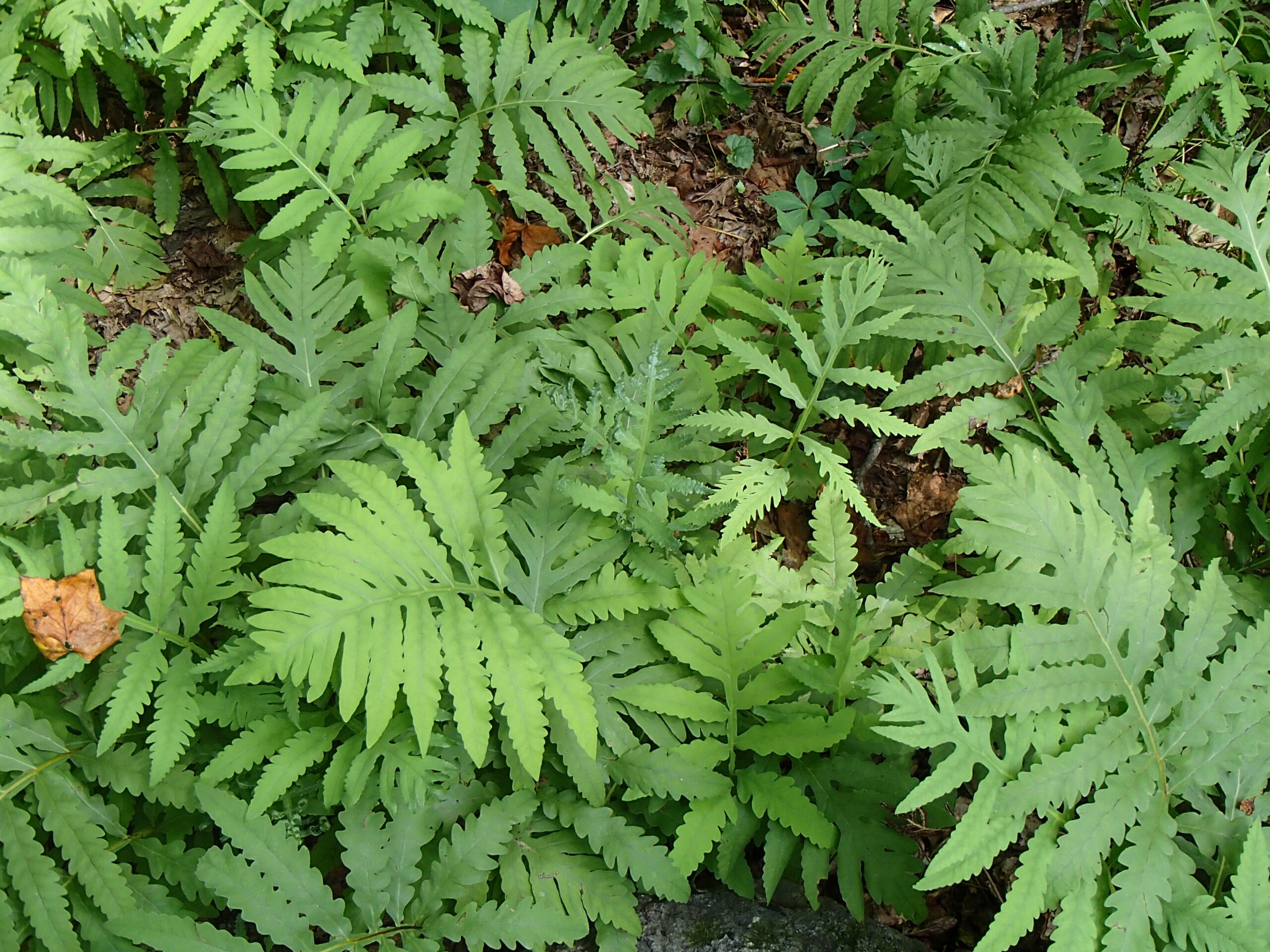
Onoclea sensibilis
Sensitive Fern is a very handsome, very vigorous, running deciduous perennial fern. It is “sensitive” only to the first frost in the late fall, and perhaps to drought — but very hardy otherwise! It is widely reported to be two- to three-foot tall and taller in wet soil, but we have…
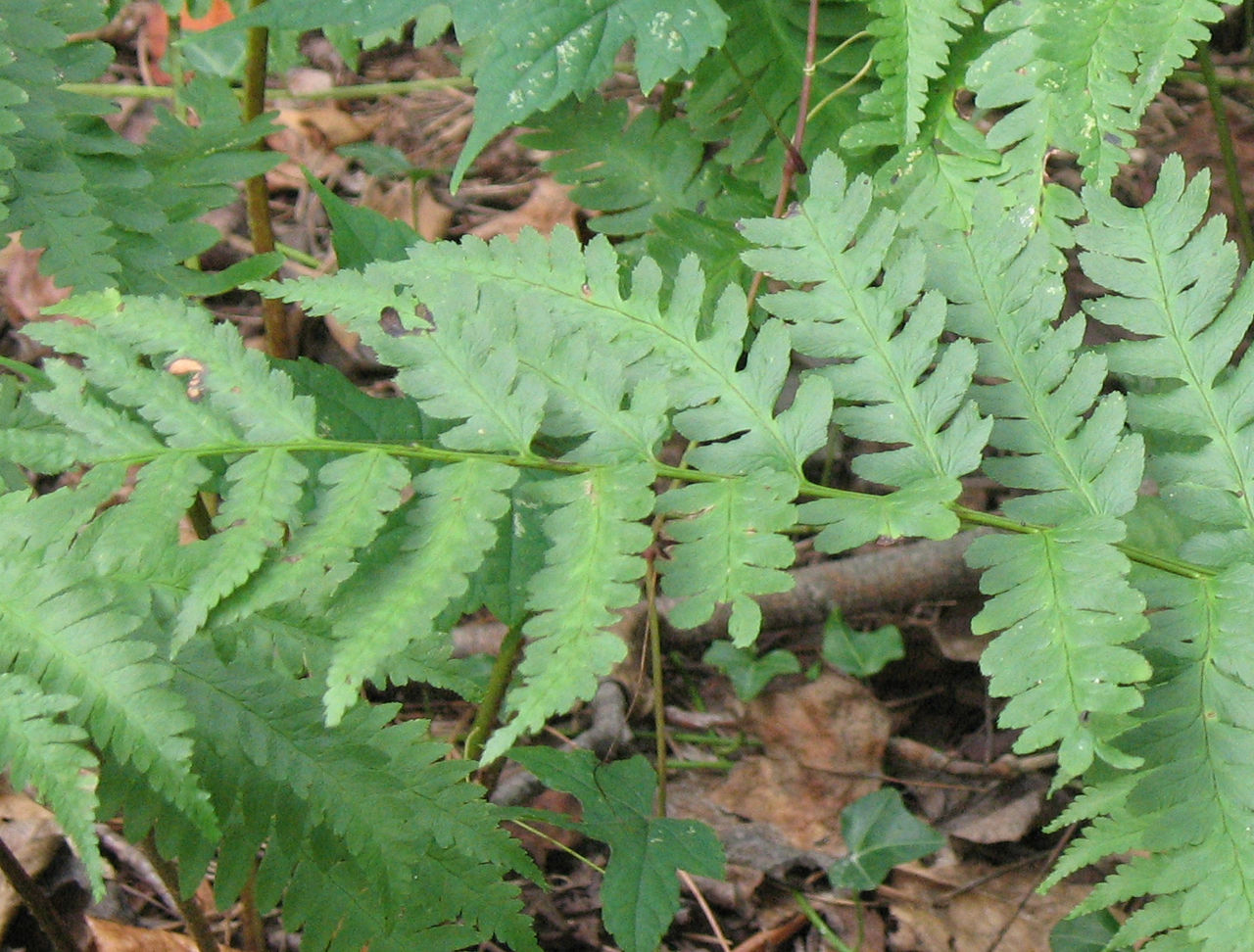
Dryopteris celsa
Log fern is a fertile, naturally occurring, semi-evergreen hybrid between D. ludoviciana (Southern Shield Fern) and D. goldiana (Goldie’s Wood Fern) with a range in central, eastern and southeastern U.S. Log fern grows rapidly with wide, shiny, deeply cut, dark green fronds and dark stripes along the central rib. The sori,…